As the demand for clean energy surges, a solar rooftop system has become a game-changer for homeowners and businesses seeking sustainable and cost-effective power solutions. By harnessing sunlight directly from your roof, these systems offer an efficient way to reduce electricity bills and environmental impact. This article explores how solar rooftop systems work, their benefits, and why they’re a smart investment in 2025.
Understanding Solar Rooftop Systems
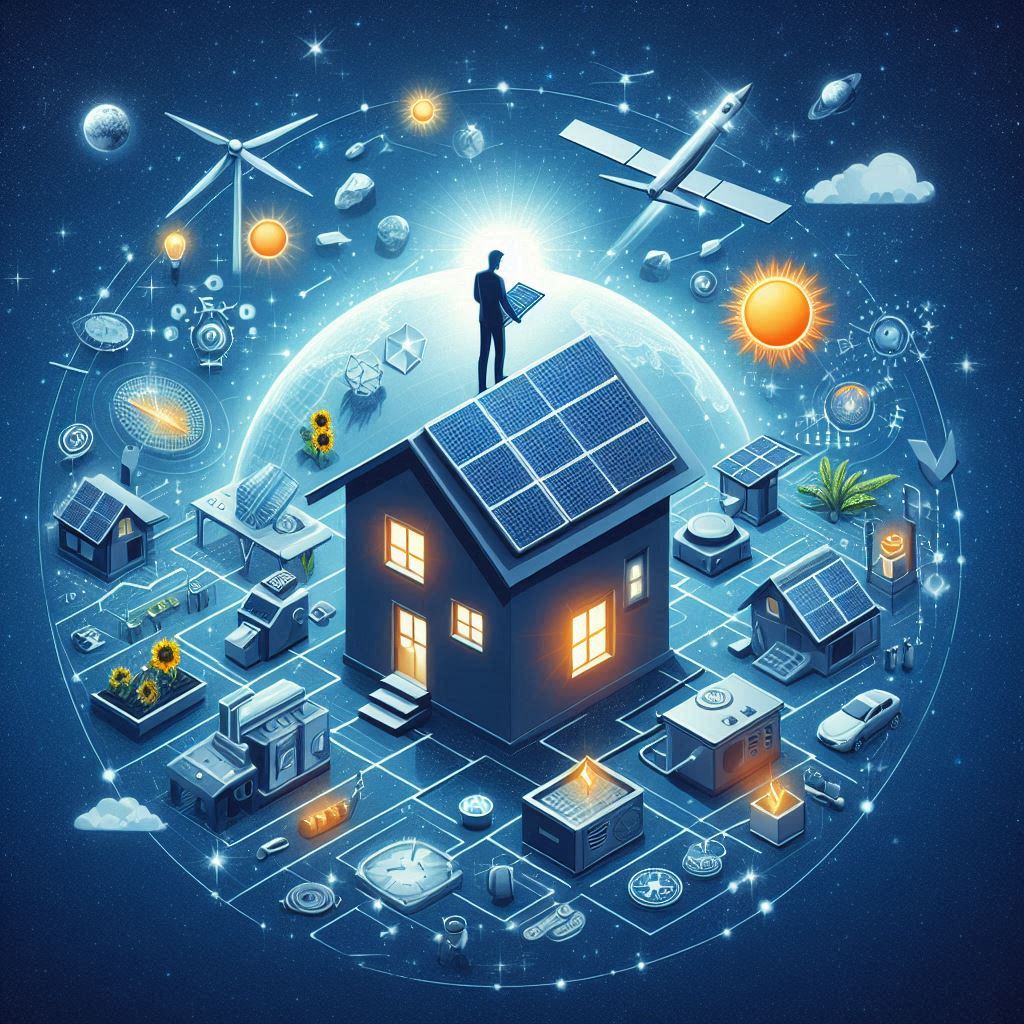
A solar rooftop systemconsists of photovoltaic (PV) panels installed on a building’s roof to convert sunlight into electricity. These systems typically include solar panels, an inverter to transform direct current (DC) into alternating current (AC), and a mounting structure for secure installation. Optional components like batteries store excess energy for use during non-sunny hours. Grid-tied systems connect to the utility grid, enabling net metering, where users earn credits for surplus power sent back to the grid.
Types of Solar Rooftop Systems
There are three primary types of solar rooftop systems, each catering to specific needs:
- Grid-Tied Systems: These rely on the utility grid and are ideal for urban homes with consistent grid access, offering significant cost savings.
- Off-Grid Systems: Independent of the grid, these use batteries for energy storage, perfect for remote areas with unreliable power.
- Hybrid Systems: Combining grid connectivity and battery storage, hybrid systems provide backup power and flexibility during outages.
Choosing the right system depends on your energy consumption, roof space, and budget. A professional installer can design a system tailored to your property.
Benefits of a Solar Rooftop System
Investing in a solar rooftop system delivers multiple advantages:
- Reduced Electricity Bills: A 3 kW system can save $500-$1,200 annually, depending on local rates and sunlight availability.
- Environmental Impact: A 1 kW system offsets roughly 1.4 tons of CO2 yearly, equivalent to avoiding 5,000 miles of car travel.
- Low Maintenance: Solar panels require minimal upkeep, with a lifespan of 25-30 years, ensuring long-term reliability.
- Government Incentives: Subsidies and tax credits, like the U.S. federal ITC (30% deduction), lower installation costs significantly.
Additionally, solar rooftop systems increase property value, with studies showing homes with solar sell 4-6% faster than non-solar homes.
Key Components of a Solar Rooftop System
A high-quality solar rooftop system relies on several components:
- Solar Panels: Monocrystalline panels offer 18-22% efficiency, while polycrystalline options are more budget-friendly.
- Inverters: String inverters are cost-effective, but microinverters optimize output for each panel, ideal for partially shaded roofs.
- Batteries: Lithium-ion batteries, such as LG Chem or Tesla Powerwall, store energy for nighttime or emergency use.
- Mounting Systems: These ensure panels are securely angled to capture maximum sunlight, customized to your roof type.
Selecting premium components ensures efficiency and durability, maximizing your system’s return on investment.
Why Choose a Solar Rooftop System in 2025?
The cost of solar rooftop systems has plummeted by 80% over the past decade, making them more affordable than ever. In 2025, advancements like bifacial panels, which capture sunlight on both sides, and improved battery storage are boosting efficiency. Government policies worldwide, such as India’s PM Surya Ghar scheme offering up to 40% subsidies, further reduce upfront costs. With electricity prices rising globally, a solar rooftop system locks in savings for decades while reducing reliance on fossil fuels.
Selecting the Right Solar Provider
Choosing a reputable installer is critical for a successful solar rooftop system. Look for companies with certifications like ISO or NABCEP and a strong local track record. Compare quotes, review warranties (typically 10-25 years for panels), and ensure the provider offers maintenance and monitoring services. Customer testimonials and case studies can help identify reliable providers who prioritize quality and service.
Conclusion
A solar rooftop system is a powerful step toward sustainability, offering financial savings and environmental benefits. By leveraging abundant sunlight, you can lower energy costs, increase property value, and contribute to a cleaner planet. With falling costs, generous incentives, and cutting-edge technology, 2025 is the perfect time to invest. Research trusted providers, evaluate your energy needs, and embrace the future of energy with a solar rooftop system today.
 Site Title
Leave a comment